Key takeaways
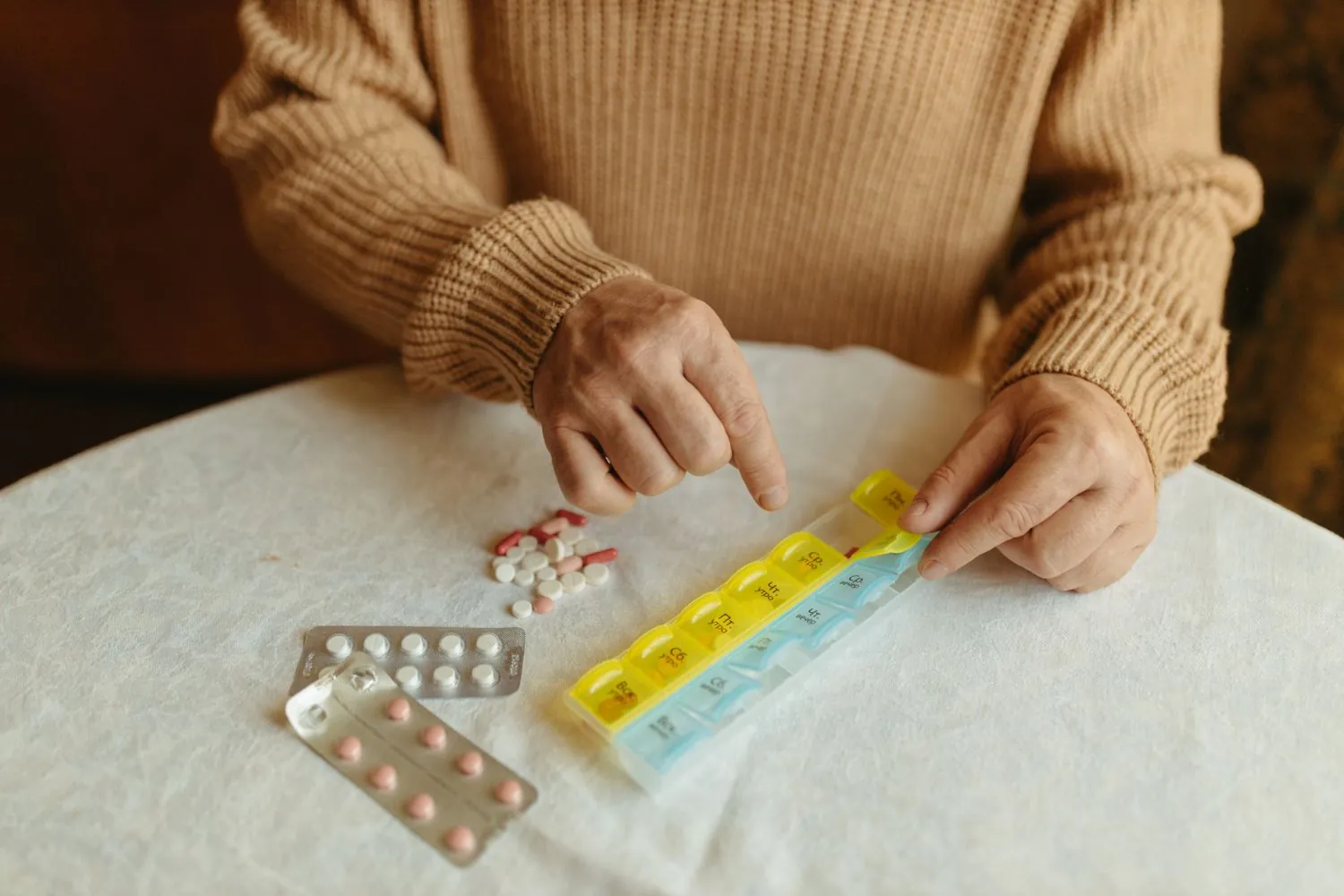
- Build a 30-day medication supply before a storm is named — refills get harder once a hurricane warning is up.
- Refrigerated meds like insulin can survive a power outage, but you need a cooler plan and a clear discard rule.
- Keep an up-to-date, written medication list and copies of key records in your evacuation kit.
- Chronic conditions like diabetes, heart disease, and COPD need a written plan for the days you can't reach your provider.
- After the storm, the biggest health risks are heat, dirty water, generators, and skipped medications — all preventable with a plan.
Living on the Treasure Coast means you already know the drill: water, batteries, plywood, gas in the car. But the part of hurricane prep that gets forgotten most often is the one that matters most for people with health conditions — your medications and your body. A storm can knock out power for days, close pharmacies, flood roads, and put your regular care out of reach right when you need it.
The good news is that almost all of this is fixable with a little planning before a storm is even named. This guide walks you through exactly how to get your health ready for hurricane season here in Fort Pierce and across St. Lucie County — from stocking your meds, to keeping insulin cold without power, to staying safe after the storm passes.
Start before the season, not before the storm
Atlantic hurricane season runs June 1 through November 30. The single biggest mistake we see is people waiting until a storm is in the forecast cone to think about prescriptions. By then, pharmacies are slammed, shelves thin out, and roads may already be backing up.
Treat the start of June as your reminder to do one thing: build a cushion. Here's what that looks like.
- Aim for a 30-day supply of every medication you take regularly.
- Ask your pharmacist about early or emergency refills. Florida has rules that allow early refills when a state of emergency is declared, but you don't want to be testing those rules at the last minute.
- Check expiration dates on everything in your medicine cabinet, including rescue inhalers and EpiPens.
- Know your pharmacy's storm plan — which locations stay open, whether they deliver, and how to transfer a prescription if yours closes.
The goal isn't to panic-buy. It's to make sure that if the power's out and the roads are flooded for five days, not one of those days is spent rationing a pill you can't replace.
Make a written medication list — and keep it where you can grab it
When you're stressed, evacuating, or talking to a new provider at a shelter, your memory is not reliable. A simple written list is one of the most valuable things in your kit.
Your list should include:
- Every medication name (brand and generic), the dose, and how often you take it.
- Why you take each one (for example, "for blood pressure").
- Your allergies and any bad reactions you've had.
- Your pharmacy name, phone number, and address.
- Your providers — primary care, specialists — with phone numbers.
Keep one copy in your wallet, one in your evacuation kit, and a photo on your phone. If you've never written this down, your primary care visit is a great time to put it together with us.
The refrigerated medication problem
This is the question we get most often during storm season: "What happens to my insulin if the power goes out?"
It's a real concern, but it's very manageable. Many medications — insulin, some injectables, certain eye drops, and others — are meant to be refrigerated. When the power fails, you need a plan to keep them cool and a clear rule for when to throw them out.
A simple cooler plan
- Have a good insulated cooler and several ice packs ready before the storm. Freeze the packs while you still have power.
- When the power goes out, move refrigerated meds into the cooler. Don't open it more than you must — every peek lets cold out.
- Keep meds cool, not frozen. Freezing can ruin insulin and some other drugs. Don't let medication touch the ice directly; wrap it or use a separator.
- Add a cheap fridge thermometer to the cooler so you actually know the temperature instead of guessing.
How long is it still good?
This depends entirely on the specific medication. As a general example, many insulins stay usable at room temperature for a limited window — often cited around 28 days — but the exact number varies by type and brand, and heat shortens it. The safest move is to read the manufacturer's storage guidance for your exact product and ask your pharmacist what your discard rule should be. Write that rule on your medication list so you're not trying to remember it in the dark.
| Situation | What to do |
|---|---|
| Power just went out | Move fridge meds to a pre-chilled cooler with ice packs |
| Cooler temperature creeping up | Add fresh ice; don't open it unnecessarily |
| Med got warm but within room-temp window | Often still usable — check product guidance, ask pharmacist |
| Med was frozen or exposed to high heat for long | When in doubt, throw it out and replace it |
| You're out and can't get more | Call your pharmacy and your provider; ask about emergency supply |
When it comes to a medication that keeps you alive, "when in doubt, throw it out and replace it" is the right instinct. A ruined dose is cheaper than a hospital trip.
Plan for your chronic condition, not just your pills
If you live with a long-term condition, a storm is exactly when it can flare. Build a short, written plan for the days you might not be able to reach a clinic.
- Diabetes: Keep fast-acting sugar (glucose tabs, juice) on hand, plan for meals when the power's out, and know your warning signs for high and low blood sugar. Heat and stress both move your numbers.
- Heart disease and high blood pressure: Don't skip doses, keep your written med list handy, and avoid overexertion clearing debris in the heat.
- COPD or asthma: If you use oxygen or a nebulizer that needs electricity, you need a backup power plan — a battery, a generator, or a place to go that has power. Tell your power company you're a medical-needs customer.
- Kidney disease on dialysis: Know your center's emergency schedule and a backup center before the storm.
We help patients build these plans through our chronic disease management service. If you're not sure what your storm plan should look like, that's a conversation worth having now — not in August.
Build your evacuation health kit
FEMA recommends a basic emergency kit for everyone. Here's the health-focused version you should layer on top of your water and flashlights:
- 30-day medication supply in a waterproof bag
- Written medication, allergy, and provider list (plus a photo on your phone)
- Cooler and ice packs for refrigerated meds
- First-aid kit with bandages, antiseptic, gloves, and a thermometer
- Backup batteries or power for any medical device (oxygen, CPAP, glucose monitor)
- Hand sanitizer and clean water — at least one gallon per person per day for several days
- Copies of insurance cards, photo ID, and a short medical summary
- Glasses, hearing aid batteries, and mobility aids if you use them
- A small amount of cash — card machines go down when power does
If you take a medication that's controlled or hard to replace, talk with your provider ahead of time about how to handle an evacuation. A quick telehealth visit can sort this out without a trip to the office.
After the storm: the risks people don't expect
The hurricane gets the headlines, but a lot of injuries and illnesses happen after it passes. Knowing them ahead of time keeps you out of the emergency room.
Carbon monoxide from generators
This is the deadly one. Generators give off carbon monoxide, a gas you can't see or smell that can kill within minutes indoors.
- Run generators outdoors only, far from windows, doors, and vents.
- Never run one in a garage, shed, or near an open window — even with the door open.
- Put a battery-powered carbon monoxide alarm in your home.
- If anyone feels dizzy, headachy, nauseated, or confused around a running generator, get to fresh air and call 911.
Heat without air conditioning
When the power's out, Florida heat becomes a health threat fast — especially for older adults, young children, and anyone with a heart condition. Stay hydrated, find shade or a cooling center, and watch for the warning signs of heat illness. We cover this in detail in our guide to recognizing and preventing heat illness in Florida.
Dirty water and food
- Don't drink tap water until officials say it's safe; use bottled or boiled water if there's any doubt.
- Throw out food that's been above 40°F for more than 2 hours, and any food that touched floodwater. "When in doubt, throw it out."
- Floodwater is filthy — it carries sewage, chemicals, and sharp debris. Keep open wounds out of it, and clean and cover any cut right away.
Wounds, tetanus, and infection
Cleanup means cuts and scrapes. Clean every wound, watch for redness or swelling, and make sure your tetanus shot is up to date — if it's been more than a few years, ask your provider.
Mental health
Storms are stressful, and that's normal. Lost sleep, anxiety, and feeling overwhelmed are real health effects. Lean on your people, and if it doesn't lift, reach out — that's what we're here for.
How a steady primary care relationship helps
A lot of storm-season health trouble comes from broken continuity — a missed refill, a plan no one wrote down, a question with no one to answer it. That's exactly the gap a steady primary care relationship fills.
When you have a provider who already knows your history, prepping for a storm is a 10-minute conversation, not a scramble. We can make sure your refills are timed right, your chronic-condition plan is written down, and you know how to reach us if the roads close. And because so much can be handled remotely, telehealth keeps you connected even when you can't get to the office.
Hurricane season is part of life on the Treasure Coast. Your health doesn't have to be the thing you forgot to prepare.
Ready to build your storm-season health plan? Book a visit at our Fort Pierce office, contact us with questions about refills and emergency supplies, or read about choosing a primary care provider who'll be there when the next storm rolls in.
Frequently asked questions
How early should I refill my prescriptions before a hurricane?+
Will my insulin still work if the power goes out?+
What health items should be in my hurricane kit?+
Is it safe to use a generator after a storm?+
Sources & further reading
This article is for general health education and does not replace personalized medical advice. To discuss your specific situation, please book a visit.
Johanna Delphin is a board-certified Family Nurse Practitioner (MSN, APRN, FNP-C, FNP-BC) providing concierge wellness care — IV hydration therapy, medical weight loss, physicals, and preventive wellness — in Fort Pierce, Florida and via telehealth statewide.
Read full bio